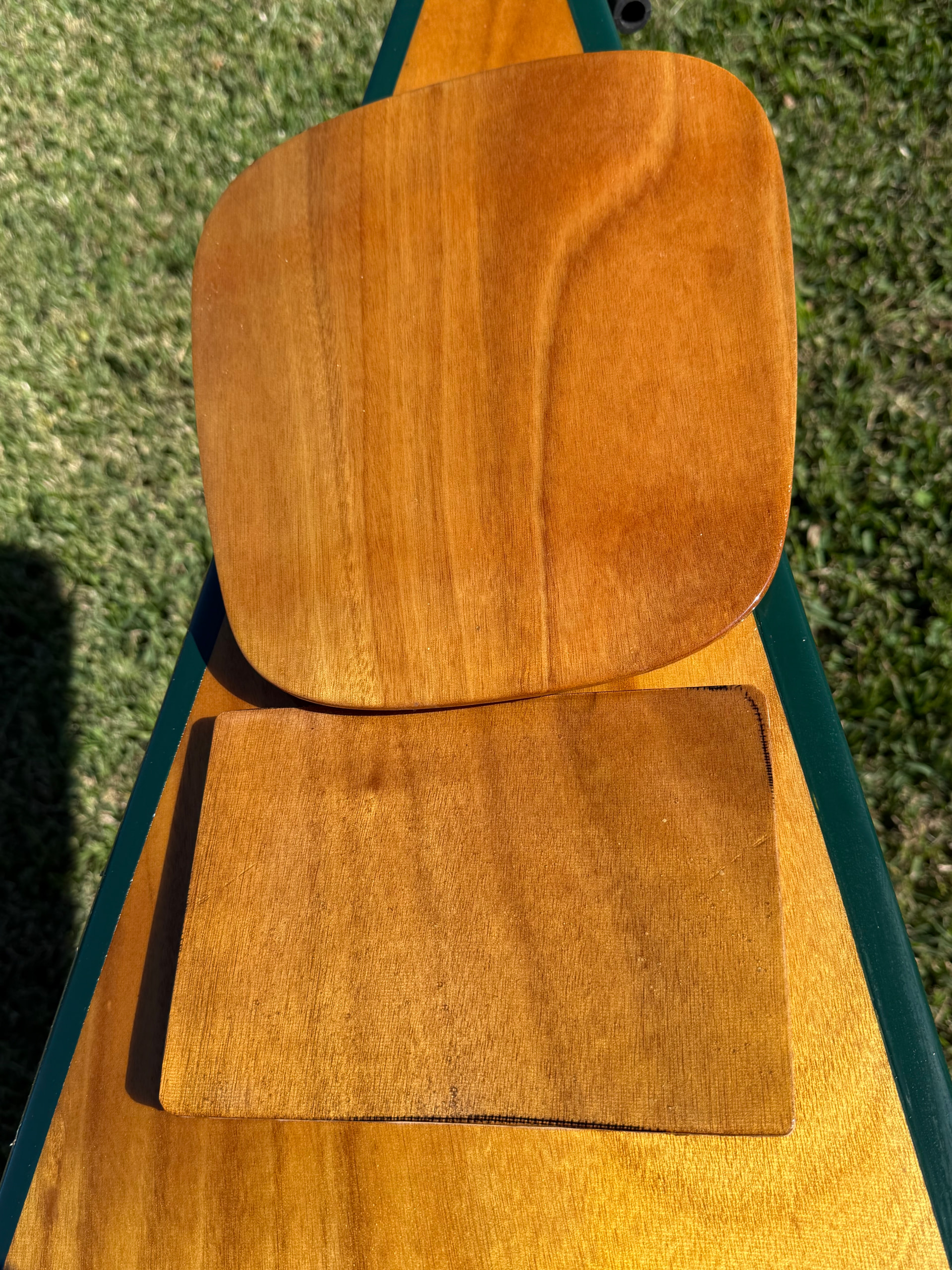
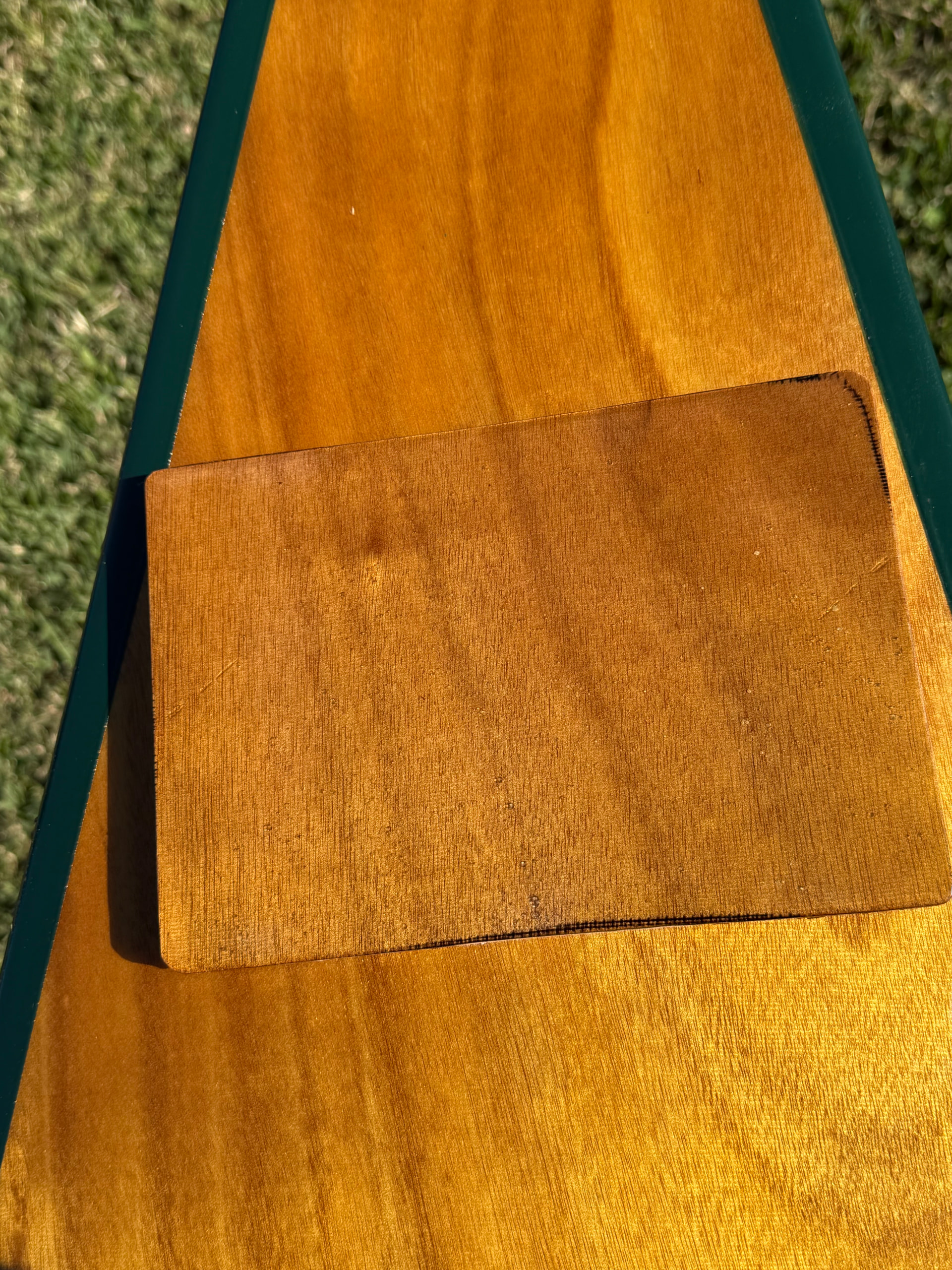
I’m building a MC 13. I’ve glassed the hull and added two fill coats Next I’ve sanded with 60 grit using an RO sander. I don’t have much fill coat left so I went directly to sanding with 220 grit on a 3 ft section. It looks like a good 220 finish. I wiped it down with alcohol and there is a discernible difference between the two. Question #1: anyone ever skipped 120 grit and gone from 60-80 grit to 220 grit with good results?
Question #2: is wet sanding with 400 grit about as aggressive as dry sanding with 220 grit? I like no noise, dust and sandpaper lasts much longer.
Wow. 60 is pretty aggressive. I tend to use 120 so I can go slow. 80 if I am impatient. Maybe you should roll on a super thin coat of epoxy with a foam roller (warm slightly to get really thin) and then start over with 120
Varnish instructions generally don’t want you to wet sand to 400. 220 is typical. Varnish wants a good surface to bond to
Hi Doug,
i agree with David, you don’t want the finish pre-varnish to 400 grit. i usually finish at 180 to 220 depending on what i have on hand.
i also appreciate your not wanting noise or dust and for the sandpaper to last long. it’s tough to have it all but i tend to focus on dust and keeping the paper clear so i, exclusively these days, have my ROS hooked up to a shop vac. while it is noisy, the good news is, inexpensive foam ear plugs really tamp down the noise and noise cancelling headphones are pretty effective too….though i don’t like to expose them to dust.
a common things that happen to folks who build is dust based skin irriitation. breathing in any of this stuff is really bad as well. so my standard sanding attire is the 3m facemask with organic or dust canister, safety goggles, and foam ear protection. but i can’t oversell you on what an improvement in sanding performance and dust reduction a vacume on your ROS makes.
i am into my 20th build and just passing on things i wish i applied earlier in my building career.
h
1 Like
It is the rare builder who stops after one boat. Hence, a really good ROS sander with attached vacuum makes the sanding process not only much more pleasant but much safer. I personally use a Festool sander with a Fein vacuum as I was too cheap to buy the Festool vacuum. Festool makes a number of different models. I use the 125. In Nick Shade’s videos you sometimes see him use the more agressive Festool Rotex ROS. I owned one once but it was too heavy and aggressive for me to control. Mirka also makes great sanders. The key thing in selecting a sander and vacuum is that the hose connecting the two is relatively small and flexible and that the vacuum has an outlet into which the sander gets plugged. Turning on the sander turns on the vacuum.
1 Like
Thanks for the replies guys! I think I’ve kind of painted myself in a corner not going with three fill coats. I made a test panel using 4oz cloth followed with 60 grit then 220. I intentionally didn’t sand more with 220 than I normally would have. It wouldn’t make sense spending more time on 220 than a brief time with 120 then 220. I followed up with 6 coats of varnish. It looked pretty good but my dust mitigation was nothing like if I was varnishing a boat. The test was a bit darker than my finished MC 16.5 which I used as a comparison. My varnish was 1 1/2 years old in a stop loss bag, could it be the varnish? Anyway the finish on the boat looked better more crisp than the test panel. Looks like I’m going to punt and do what was recommended and add a thin coat of epoxy and start with 120grit then 220.
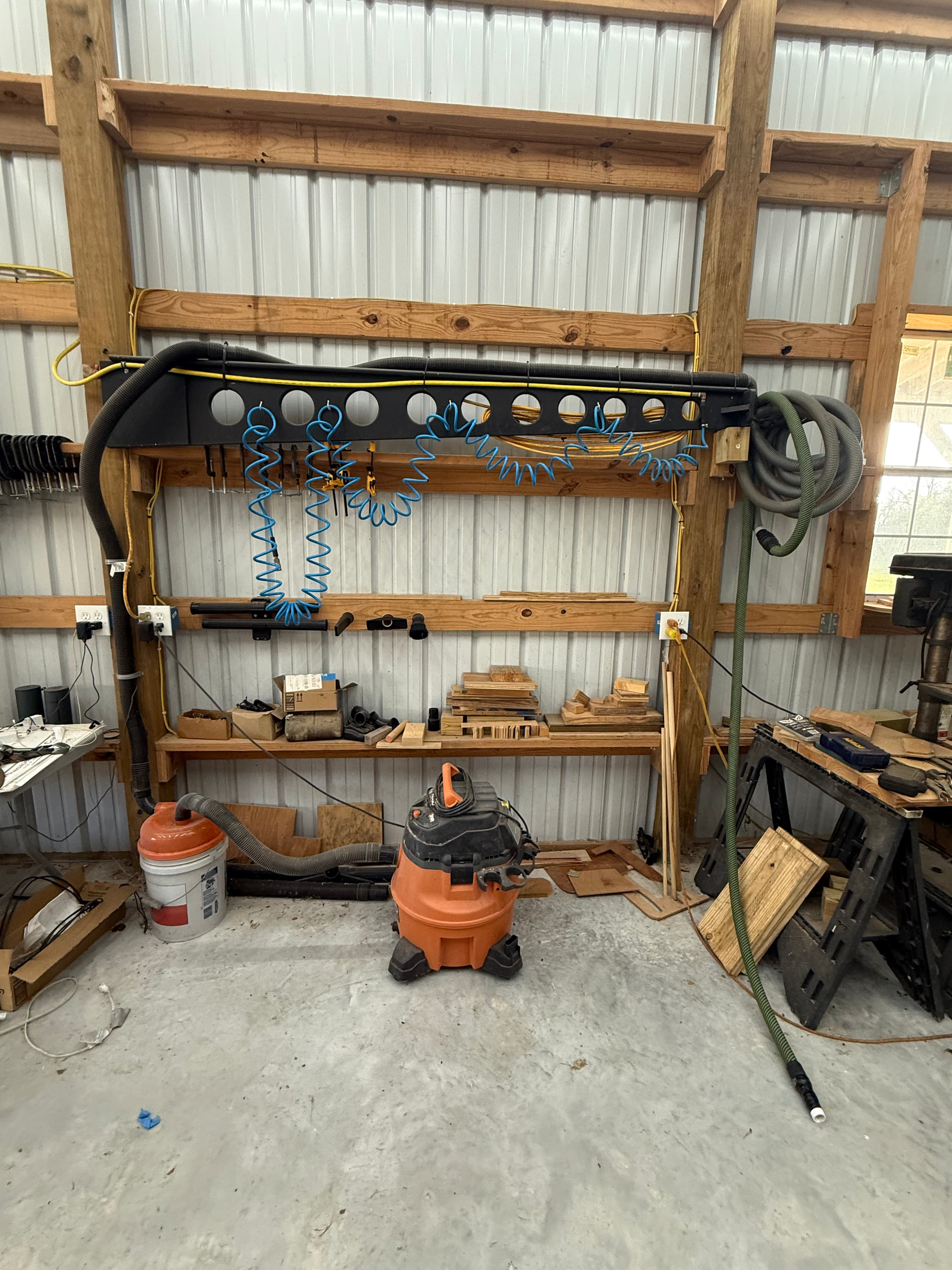
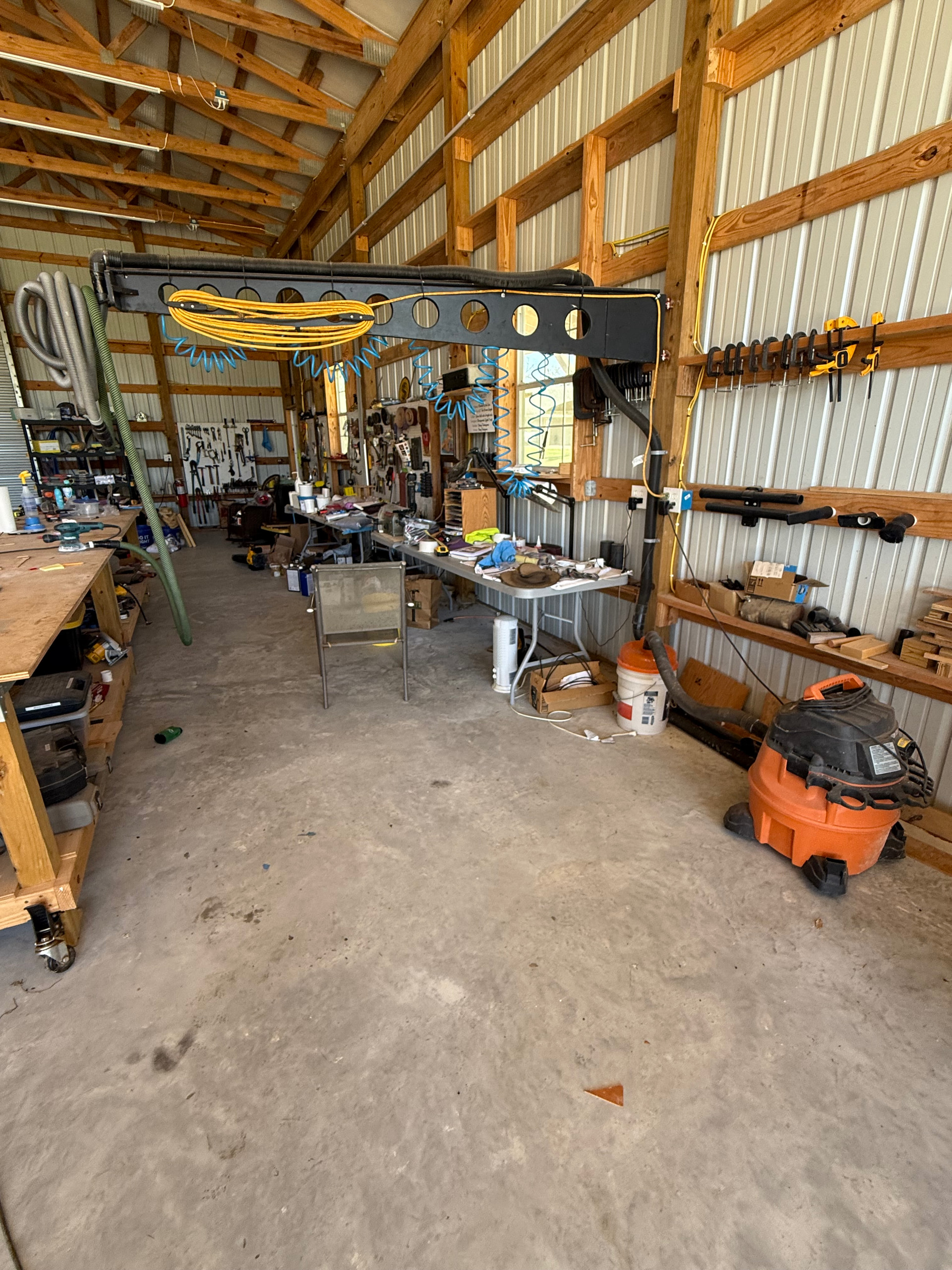
I do have some dust collection stuff that I thought I’d add to the photos. The swing boom I made from scrap, it carries the vacuum hose, air hose and extension cord. The pre-filter on my shop vac that I bought at Home Depot works great.
Wishing everyone a Merry Christmas and another year of boat building!
Doug
The sanding boom is a fanatic idea! I am going to do that for my next build.